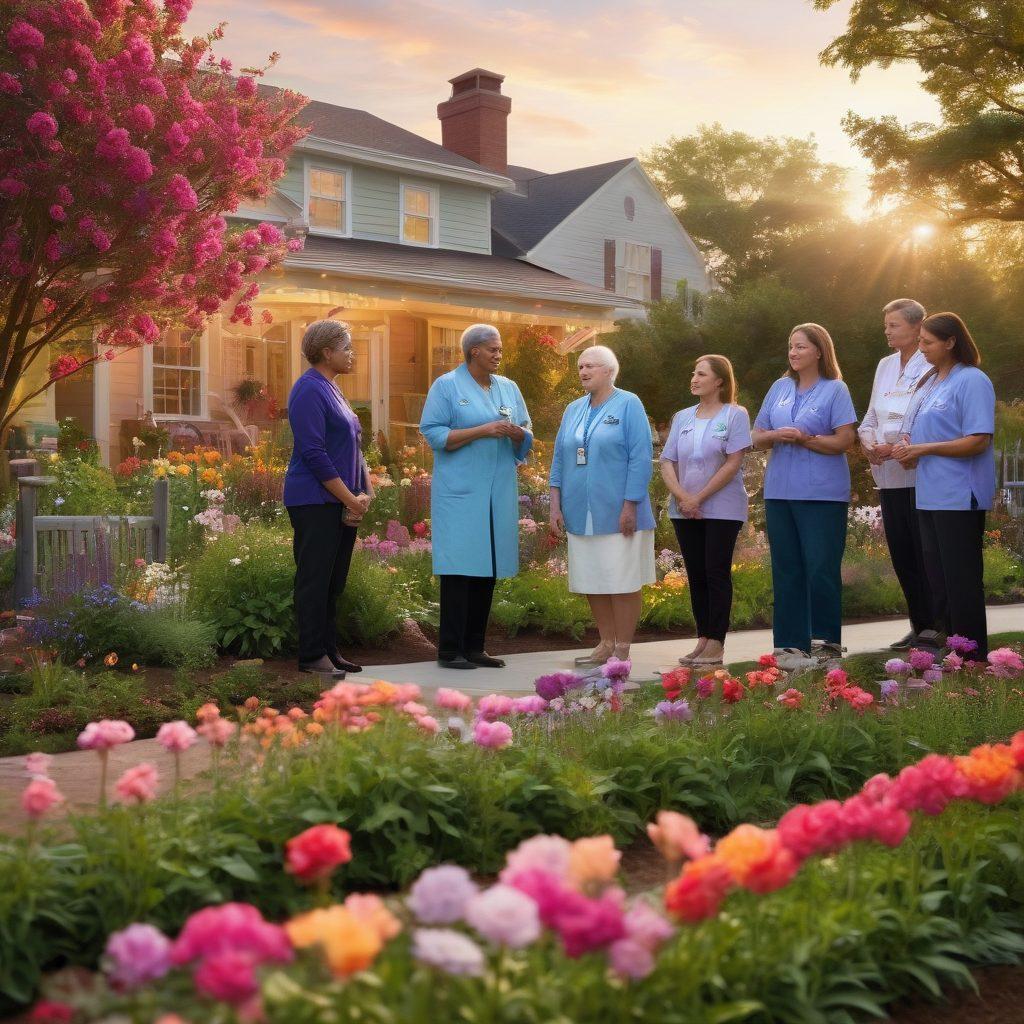
Empowering Survivors: The Crucial Role of Oncology in Cancer Treatment and Patient Advocacy
In the ever-evolving landscape of cancer treatment, the field of oncology stands at the forefront, leading the charge in providing hope and healing for survivors around the globe. It's remarkable how far we've come, yet for many, the journey through cancer remains a daunting experience filled with uncertainty. How can oncology ignite the flame of recovery and resilience for those navigating this challenging path? With the right support, expert oncology specialists, and a holistic approach toward health care, survivors can find not only treatment but also empowerment and advocacy on their journey.
Picture this: a dedicated oncologist who doesn't just treat cancer but becomes a beacon of light for their patients. They not only wield the latest in cancer research but also understand the importance of patient support, health education, and the emotional toll that diagnosis brings. An oncologist’s role extends beyond medical advice; they are advocates for their patients, standing firm in the face of the complexities of cancer survivorship. They remind their patients, 'You are not defined by cancer, but by how you choose to fight it.'
But survival doesn't end with treatment. There lies an entire world of cancer survivorship that needs attention. What does it really mean to survive cancer? This journey often involves new challenges that can leave individuals feeling lost or uncertain. That's where awareness campaigns and cancer information play a pivotal role. They serve not only to inform but also to empower, reinforcing the notion that survivors possess the strength to reclaim their health, dive into alternative medicine, and embrace preventive care and wellness practices that enhance their quality of life.
As we delve deeper into the realm of health care, we must emphasize the importance of patient advocacy and support systems. Survivor stories highlight the transformative impact of community support—where each shared experience fosters resilience. Have you ever found strength in someone else's story? This powerful connection can fuel advocacy initiatives aimed at promoting cancer awareness. We should ask ourselves: how can we contribute to these campaigns and become part of the solution? By showcasing our stories and supporting survivors, we can collectively raise the volume on critical health conversations and challenge stigmas associated with cancer.
Ultimately, the road to recovery is a holistic one. It involves integrating traditional medical practices with wellness and alternative medicine approaches. Survivorship becomes a proactive lifestyle that encourages continuous health education, regular screenings, and robust patient engagement. So, for those battling cancer or supporting someone who is, remember: your voice matters. Let’s harness the healing power of oncology together, providing not just treatment, but a foundation for thriving through cancer. After all, the journey of a survivor should be paved with not just perseverance, but celebration and empowerment.
From Diagnosis to Recovery: The Vital Role of Oncologists in Patient Advocacy
Imagine finding out that you have cancer. The world suddenly feels like it's upside down, and the questions begin to swirl in your mind: What will happen next? How do I fight this disease? In such daunting times, oncologists emerge as beacons of hope, guiding patients not just through treatment, but through the complexities of the healthcare system. These specialists play a crucial role in patient advocacy from diagnosis to recovery, offering not just medical advice, but a compassionate hand to hold through the tumultuous journey of cancer treatment.
Oncologists do more than administer chemotherapy or radiation; they serve as educators and advocates. With their deep knowledge of oncology and cancer research, they empower patients with information—turning complex medical jargon into understandable terms. This transformation is vital, as the more informed a patient is about their diagnosis and treatment options, the better they can participate in their own health decisions. This participatory approach in health care enhances patient outcomes and fosters a sense of control during a time when everything feels uncertain.
Consider this: each individual approaches cancer with a unique story, needs, and fears. Oncologists take the time to listen and understand these narratives, thereby tailoring treatment plans that embrace both conventional medicine and holistic health approaches. This personalized method ensures that treatment is not just about battling cancer, but also about nurturing the patient's overall wellness. As one oncologist put it, "We are not just treating cancer; we are treating a person—a whole person with feelings and fears. That’s the essence of patient support."
In addition to their direct medical involvement, oncologists advocate for patients in a broader sense. This includes participating in awareness campaigns, helping to facilitate access to cancer information, and pushing for improvements in patient services within the healthcare system. They remind us that preventive care and education are pivotal in disease prevention, aiming to inform the public not only about cancer treatment but also about how to reduce cancer risks altogether. Through their advocacy, they inspire a community of awareness, transforming fear into knowledge and encouragement.
The journey of cancer survivorship is not merely a battle won; it’s a lifelong commitment to health. Oncologists emphasize the importance of follow-up care, health education, and lifestyle adjustments post-treatment. Engaging with support groups and alternative medicine practices complements traditional therapy, ensuring patients continue to thrive long after their diagnosis. For anyone touched by cancer, remember one thing: your oncologist is more than just a doctor; they are your ally, your guide, and your advocate. So, embrace the knowledge they share; it’s your roadmap to recovery.
Building Resilience: How Oncology Services Enhance Cancer Awareness and Survivorship
In the ever-evolving world of health care, the journey through cancer treatment can often feel daunting. Yet, within this journey lies an undercurrent of remarkable resilience fostered by oncology services. Building resilience is not just about surviving; it’s about thriving, gaining awareness, and empowering individuals with the knowledge and skills needed to advocate for their own health. This crucial work goes beyond the confines of hospital walls, incorporating health education, patient support, and, most importantly, a sense of community in the face of adversity. Are you ready to explore how oncology plays a pivotal role in enhancing cancer awareness and survivorship?
During the challenging experience of cancer treatment, the role of an oncologist is invaluable not just for physical healing but for emotional and mental fortitude. Imagine sitting across from a compassionate oncologist who understands not only the technicalities of cancer research but also the emotional weight that comes with a diagnosis. They are the guiding light, providing medical advice tailored to each unique journey. This advocacy becomes essential, as they not only educate patients about their condition but also arm them with critical cancer information that fosters informed decisions and a proactive approach to their health care journey. How much does awareness really change our outlook on cancer treatment?
As patients navigate their cancer journey, awareness campaigns become pivotal tools in promoting cancer information and education. These campaigns, powered by passion and dedication, create platforms for sharing stories of survival and resilience, showcasing the strengths of those who have fought and prevailed. Whether through social media, local events, or health blogs, these initiatives offer hope, encouragement, and a call to action. By participating in these campaigns, survivors not only uphold their narratives but also inspire others battling similar challenges to recognize their own strength. What if you could be part of a movement that amplifies voices of resilience?
An often overlooked aspect of cancer survivorship is holistic health and wellness. The road to recovery is paved with choices that go beyond traditional methods of treatment. Integrating alternative medicine, preventive care, and mental health support fosters a comprehensive approach to healing. Oncology services increasingly emphasize this holistic perspective, providing resources that support physical wellness along with emotional and mental resilience. By engaging in wellness practices, survivors can create healthier lifestyles, reducing the risk of recurrence and promoting long-term survivorship. What holistic practices have you embraced to enhance your well-being?
In conclusion, building resilience through oncology is not merely about surviving cancer; it’s about equipping individuals with the tools needed for life beyond treatment. As awareness campaigns flourish and advocacy for cancer survivorship strengthens, the community of survivors grows alongside programs aimed at health education and patient support. It’s a continuous cycle of empowerment and resilience. Let’s foster a space where we can learn, share, and support one another. If you or someone you know is navigating this journey, remember that building resilience is not a solitary endeavor—it is a collective mission to celebrate strength, awareness, and survivorship in the face of cancer. Are you ready to embark on this journey with us?